Government, Humanitarian and Development Leaders Unite to Advance Nature-based Solutions in Pakistan
 0
0
 0
0
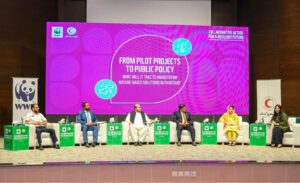
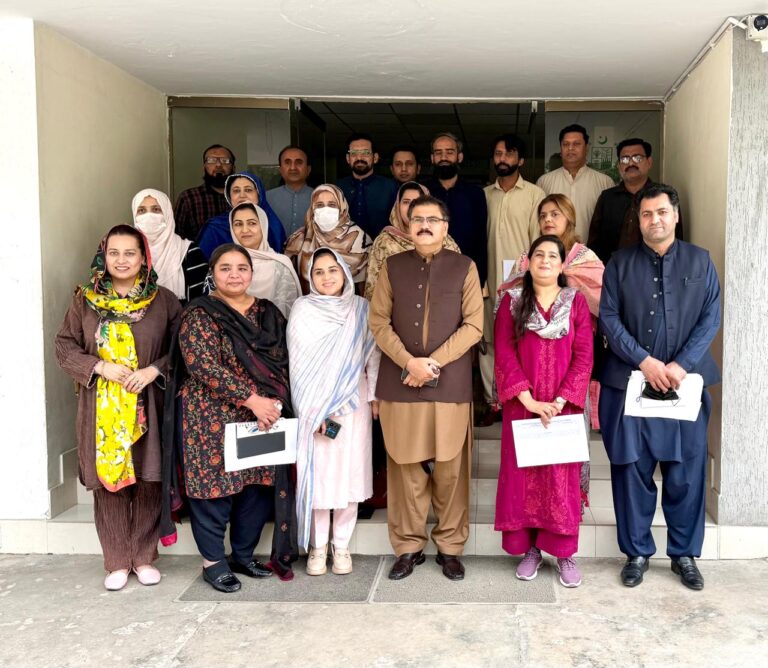
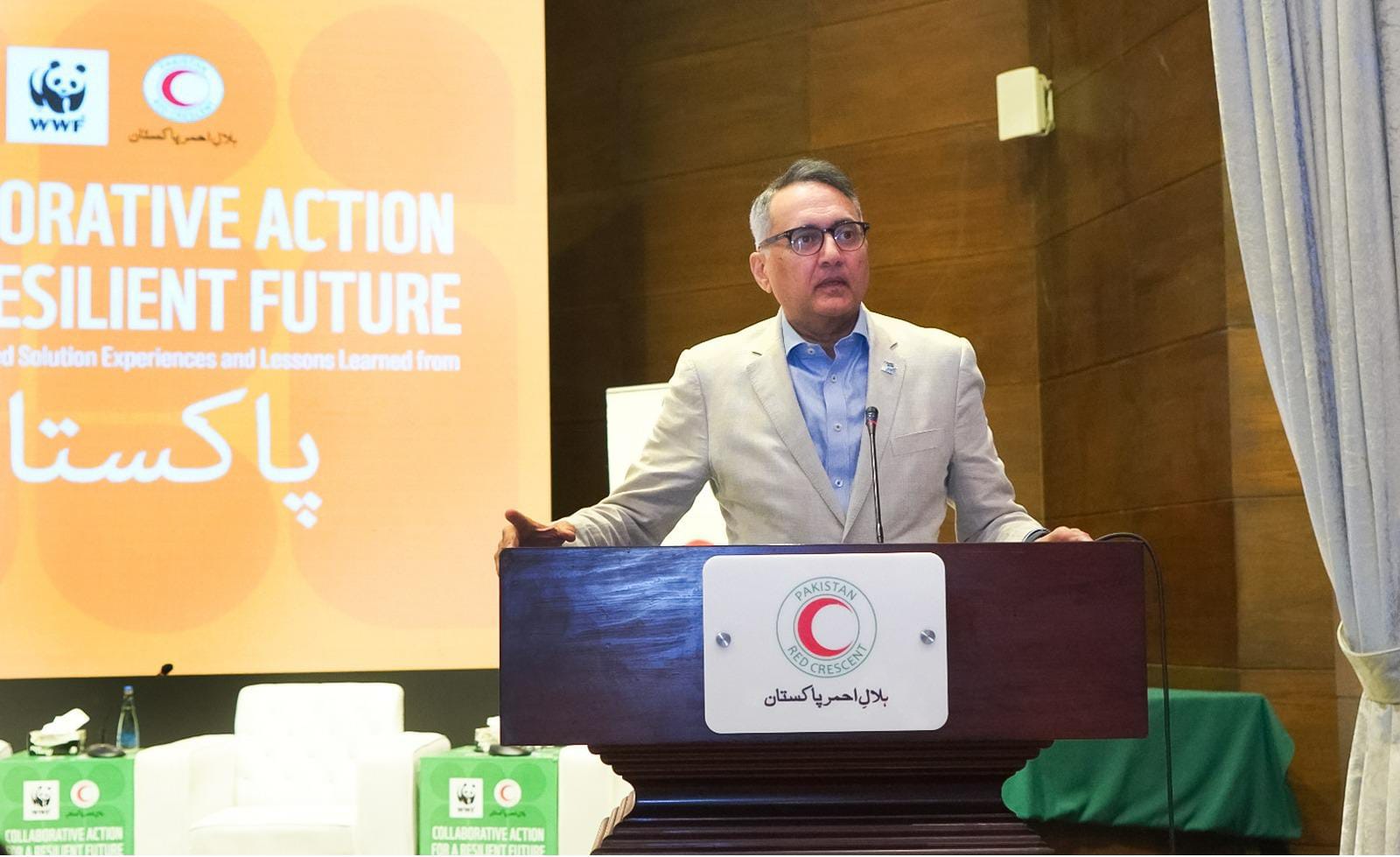
Recognizing the growing role of Nature-based Solutions (NbS) in addressing climate change, biodiversity loss and disaster risks, WWF-Pakistan in collaboration with Pakistan Red Crescent Society (PRCS), brought together senior government leaders, policymakers, development partners, academia, civil society organizations, and the private sector, to identify practical pathways for scaling up Nature-based Solutions (NbS) across Pakistan during a two-day national seminar held in Islamabad. The seminar provided a national platform to strengthen partnerships and accelerate the integration of NbS into climate adaptation, disaster risk reduction and sustainable development efforts.
Amir Mohyuddin, Additional Secretary, Ministry of Climate Change & Environmental Coordination MoCC & EC, the chief guest of the session, highlighted the changing flood dynamics in Pakistan, with monsoon patterns shifting westwards and floods increasingly occurring as GLOFs and urban flooding. He outlined the Ministry’s efforts to address these challenges, appreciated the contributions of WWF-Pakistan and PRCS in promoting innovative Nature-based Solutions (NbS), and emphasized that healthy forests, rangelands, wetlands, and protected areas are vital for biodiversity conservation and climate resilience.
Speaking on the occasion, Hammad Naqi Khan, Director General, WWF-Pakistan, said that WWF-Pakistan has been developing and scaling Nature-based Solutions, including floating treatment wetlands, gabion bunds, check dams and recharge wells, to improve water security, reduce flood risks, restore ecosystems and strengthen climate resilience. Through the Water Resource Accountability in Pakistan (WRAP) project, WWF-Pakistan has implemented over 320 Nature-based Solutions interventions across 16 districts of Gilgit-Baltistan, Khyber Pakhtunkhwa and Punjab over the past five years, benefiting more than 500,000 people. Building on these successful approaches, WWF-Pakistan is now preparing to implement Recharge Pakistan across the Indus Basin, which will directly benefit over 680,000 people and strengthen the climate resilience of more than seven million people.
Highlighting the growing importance of partnerships between humanitarian and environmental organizations, Mrs Farzhana Naek, Chairperson, Pakistan Red Crescent Society, underscored that scaling up NbS will require stronger institutional coordination, supportive policy frameworks, sustainable financing and meaningful engagement of local communities. They also reaffirmed the importance of partnerships across government, humanitarian organizations, academia, civil society and the private sector to accelerate implementation nationwide.
Across technical and panel discussions, participants examined practical experiences from across Pakistan and also focused on enabling policies, financing mechanisms, innovation and cross sector collaboration needed to scale implementation.