Code for Pakistan Convenes “Quetta Guftugu 2026” to Advance EdTech Integration in Balochistan
 1
1
 0
0
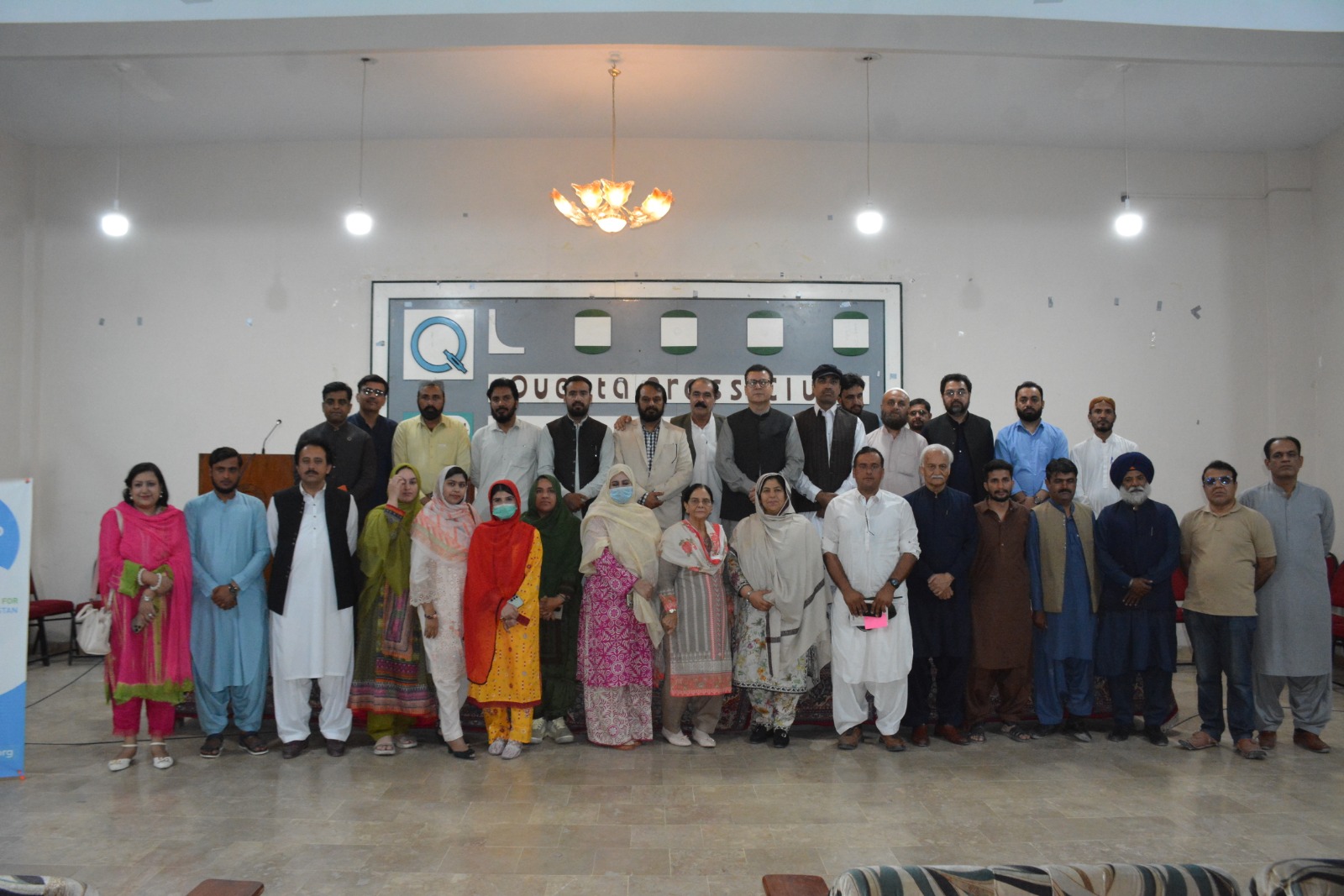
Code for Pakistan successfully convened Quetta Guftugu 2026, a multi-stakeholder town hall focused on advancing EdTech integration within Quetta’s education ecosystem. Held at the Quetta Press Club, the convening brought together policymakers, educators, technologists, civil society, academia, and media to collectively address the province’s education challenges.
At a time when Balochistan faces deep structural barriers, including over 1.2 million out-of-school children, low retention rates, and limited infrastructure, the Guftugu moved beyond problem identification toward locally grounded, actionable solutions.
Discussions highlighted critical systemic gaps constraining EdTech adoption, including low digital access, fragmented implementation, policy discontinuity, curriculum misalignment, and limited teacher capacity.
Participants emphasised that without addressing foundational issues such as internet access, basic school infrastructure, and coordination across actors, technology-led interventions will remain limited in impact.
Through structured dialogue, stakeholders mapped ongoing initiatives across sectors, identified duplication and coordination gaps, and explored practical integration models tailored to Quetta’s context. Key areas of focus included blended learning approaches, mobile-first solutions, community-based learning centres, and public-private partnerships for scalable implementation.
The convening also underscored the need for continuity in education reform, with participants highlighting how frequent policy resets and a lack of institutional memory have historically stalled progress in the province.
Building on insights from the session, Code for Pakistan announced a set of immediate next steps, including: Mapping all active education initiatives across Balochistan, identifying and adapting proven models from other provinces, and convening a follow-up Guftugu to align stakeholders on implementation.
The Guftugu model, pioneered by Code for Pakistan, emphasises dialogue before design, ensuring that policy and technology interventions are grounded in the lived realities of communities.
With a growing youth population and increasing mobile penetration, the foundations for digital learning are in place but remain underutilised. Quetta Guftugu 2026 marks a critical step toward shifting from isolated pilots to coordinated ecosystem building, with stakeholders expressing a shared commitment to sustained collaboration and implementation. “Quetta is not behind; it has been held back. This convening reflects a shared resolve to move from conversation to coordinated action.” Khunsa Khawar, Community Manager, Code for Pakistan. A key participant from the National Party Women’s sector, Ms Shazia Ahmed, said, “Our children can use apps, but the question is, can they build one?”