Pakistan Bank Deposits Hit Rs40.83 Trillion: Major Concerns Revealed
 0
0
 0
0
Pakistan Bank Deposits Hit Rs40.83 Trillion: Major Concerns Revealed
ISLAMABAD: Pakistan bank deposits have nearly doubled in four years, reaching Rs40.83 trillion in September 2026, up from Rs21 trillion. The jump shows a massive expansion in the banking system’s deposit base. It also raises an uncomfortable question: is this money flowing into productive economic activity?
How Pakistan Bank Deposits Nearly Doubled
Deposits held by scheduled banks rose by Rs19.83 trillion between September 2022 and September 2026. That is a substantial increase in the funds available within the banking system.
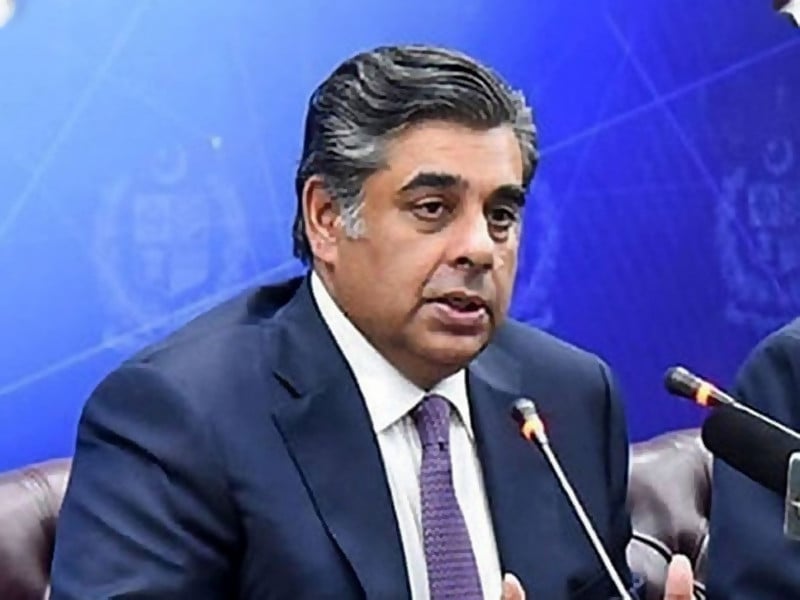
Dr Gohar Ejaz, former minister and chairman of Pakistan Economic Policy and Business Development, shared the figures on Saturday. He used them to renew a debate that economists and business leaders have been having for some time.
Dr Gohar Ejaz: Money Must Reach Businesses and Industry
Dr Ejaz stressed that the money banks mobilise must reach businesses and industry. In his view, sustainable economic growth depends on productive activity, not on lending to the government.
A larger deposit pool is a significant financial resource. It could support industrial expansion, business investment, employment generation and wider economic activity. But that potential only counts if the money is actually put to work in those areas.
Why Deposits Alone Do Not Guarantee Private-Sector Credit
Growing deposits do not automatically lead to more private-sector credit or investment. The real challenge is turning this deposit base into financing for productive sectors.
That means helping businesses that want to:
- Expand their operations
- Modernise their production facilities
- Create new jobs
Without that link, a record deposit base says little about the health of the real economy.
Government Borrowing and the Credit Squeeze
Heavy government borrowing from the banking system can compete with private-sector borrowers for available funds. Depending on prevailing returns and credit risks, banks may prefer lending to the government over extending loans to businesses.
This is a natural choice from a bank’s point of view, but it carries a cost for the wider economy. A sustained shift towards government securities could limit the credit available to businesses. That would hold back investment and weaken the private sector’s contribution to growth.
Smaller Businesses Feel the Pressure
Smaller enterprises are often the hardest hit. They typically face higher borrowing costs and stringent collateral requirements, which makes it harder for them to compete for bank funding. When banks lean towards safer government lending, these firms have even fewer options.
What This Means for Pakistan’s Economy
The numbers tell two stories at once. On one side, people and institutions are placing far more money in banks than they were four years ago. On the other, the benefit of that growth depends on where the money goes next.
If banks direct more funds towards industry and business investment, the larger deposit base could help drive expansion and job creation. If government borrowing keeps absorbing a large share, the economy may not see the full benefit of this growth.
Conclusion: Why Pakistan Bank Deposits Matter
The rise of Pakistan bank deposits to Rs40.83 trillion is a major milestone for the financial system. Yet, as Dr Gohar Ejaz argues, the milestone only becomes meaningful when those funds reach businesses and industry. The next phase of the debate will focus on how banks balance government lending with private-sector financing.








[…] of the Pakistani business community interested in implementing investment projects in Newa Tashkent can visit https://newtashkent.uz/ to obtain information about the investment lots that interest […]