
 1
1
 0
0
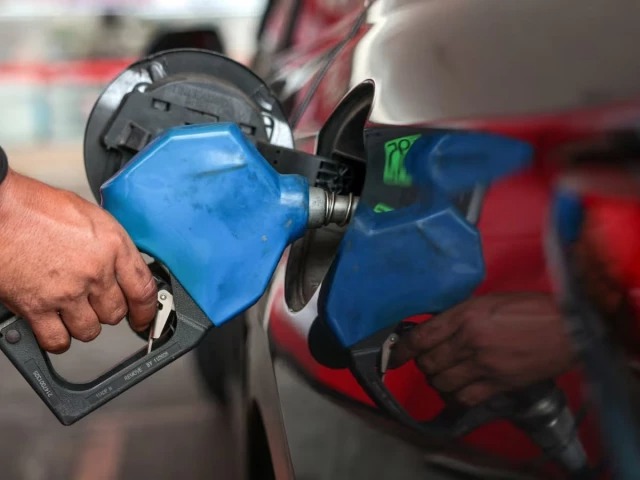
Fuel prices have climbed sharply in recent weeks, with petrol now at PKR 393.35 per litre. For many people in urban Pakistan, owning and running a car has become a luxury few can afford. Many families are feeling the pinch on their monthly budgets. For daily commuters in cities like Karachi, Lahore, and Islamabad, the focus has shifted to finding ways to get around without overspending.
A growing number of people are quietly parking their vehicles at home and switching to ride-hailing apps. Many are turning to inDrive because it directly addresses the core issue: the lack of control over rising costs. For shorter distances especially, bikes have emerged as the go to option, offering a quicker and more affordable way to get around.
Unlike other apps operating in the market that impose fixed fares, the platform offers a peer-to-peer pricing model that lets riders propose what they are willing to pay. Drivers can accept the offer, send a counter-offer, or decline. This direct negotiation gives both sides real control and often results in a fare that feels fair to everyone involved.
At a time when every rupee counts, this flexibility has become especially valuable. Riders can better manage their daily spending. Drivers also benefit from inDrive charging the lowest commission in the country, allowing them to earn more than on any other platform.
Interestingly, many who still use their own cars or bikes have found a way to make their daily commute more cost-effective by becoming occasional drivers. They simply go online during their usual routes, picking up passengers heading in the same direction and often covering a significant portion or even all of their fuel costs through the fares they earn.
And with inDrive, they get to do it their way, choosing the routes they prefer, the time that suits them, and even having the power to negotiate fares directly.
Ride-hailing continues to play a central role in urban mobility across Pakistan. Whether it is commuting to work, dropping children at school, or attending university lectures, these services have become part of everyday city life.
Demand remains steady despite fluctuations in fuel prices because the need to move does not go away.