Gohar Ejaz Opposes Rupee Devaluation, Warns of Inflation Shock
 1
1
 0
0
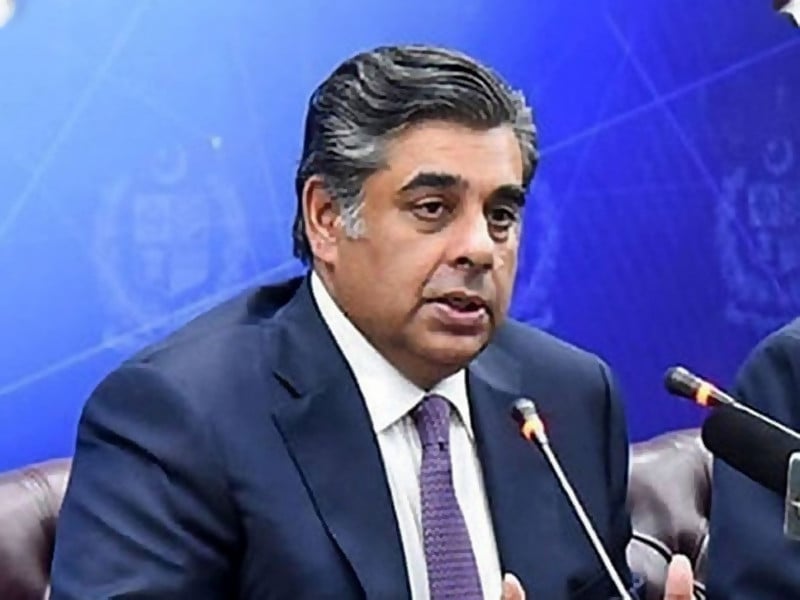
Chairman Economic Policy & Business Development (EPBD) Think Tank, Gohar Ejaz, has strongly opposed any further devaluation of the Pakistani Rupee, warning that such a move would trigger a new wave of inflation and damage the country’s economic stability.
Ejaz said that certain elements are supporting devaluation for personal gain, but Pakistan does not need a weaker currency—it needs stability.
He said that Pakistan’s Real Effective Exchange Rate (REER) has been recorded at 104, indicating that the rupee is already aligned with fundamentals.
According to him, the currency has stabilized at Rs 278–282 per dollar, leaving no justification for further depreciation.
“Devaluation will unleash a storm of inflation and push imports to emergency levels,” he warned.
Ejaz argued that weakening the rupee would not improve Pakistan’s competitiveness, adding that 92% of the economy is hurt by currency devaluation rather than helped. With 50% of the population already living below the poverty line, he urged policymakers not to burden the poor any further.
Ejaz noted that data from 2022 to 2025 shows no correlation between exports and the exchange rate.
He said the REER rose to 98.5 in 2024 and 100.9 in 2025, yet exports increased, proving that devaluation does not drive export growth.
He accused policymakers of destroying the currency in 2023 under the pretext of REER, arguing that devaluation actually reduced exports, dispelling the common misconception. Ejaz emphasized that Pakistan’s export sector is suffering due to high production costs, not the exchange rate: Electricity for manufacturers: 12–14 cents/unit, neighboring countries: 6–8 cents/unit. Interest rate in Pakistan: 11% Neighboring countries: 5.5%
He stressed that Pakistan’s manufacturing relies heavily on imported raw materials, making devaluation even more damaging.
“Currency markets react to confidence. We must create stability, lower production costs, and build strong institutions to compete globally,” he said.
Ejaz said that Pakistan must pursue structural reforms, not currency shocks, to strengthen the economy.