Roche and Chughtai Lab: 20-Day Breakthrough Advances Diagnostics in Pakistan
 0
 0
Roche and Chughtai Lab: 20-Day Breakthrough Advances Diagnostics in Pakistan
Pakistan’s healthcare sector is taking another step towards technology-driven diagnostic services as Roche Chughtai Lab Partnership advances laboratory automation and connected diagnostics. Roche Diagnostics Pakistan, in collaboration with Chughtai Lab, has implemented Roche Total Laboratory Automation integrated with Sysmex hematology at Chughtai Lab’s Pine Avenue facility in Lahore.
The development marks an important milestone in a collaboration spanning more than two decades. It also reflects the growing importance of connected diagnostic systems as Pakistan faces an increasing burden of noncommunicable diseases alongside persistent infectious diseases.
By combining advanced laboratory technology, digital connectivity and local technical expertise, the initiative aims to strengthen diagnostic efficiency and help healthcare professionals make better-informed clinical decisions.
Roche Chughtai Lab Partnership Strengthens Laboratory Automation
The latest implementation brings Roche Total Laboratory Automation together with Sysmex hematology technology at Chughtai Lab’s Pine Avenue facility in South Lahore.
Total Laboratory Automation is designed to streamline laboratory workflows by integrating different testing processes and reducing manual handling. Such systems can support greater operational efficiency, consistency and quality across diagnostic services.
The integration with Sysmex hematology further strengthens the facility’s diagnostic infrastructure, bringing together specialised technologies within a connected laboratory environment.
For healthcare providers, efficient laboratory operations are important because timely and reliable diagnostic information supports decisions throughout a patient’s healthcare journey, from initial diagnosis to treatment and ongoing monitoring.
Connected Diagnostics Can Improve Patient Care
The collaboration extends beyond the installation of laboratory automation equipment. A broader focus is connecting central and STAT laboratories, digital health platforms and clinical decision-support capabilities to make diagnostic information more accessible and meaningful.
This approach aims to help healthcare professionals bring together laboratory results and relevant patient information, providing additional insights when making clinical decisions.
The importance of connected diagnostics is particularly evident in several major healthcare areas, including:
-
Cardiometabolic health: Supporting the assessment and monitoring of conditions affecting cardiovascular and metabolic health.
-
Infectious diseases: Helping healthcare professionals access diagnostic information for timely clinical assessment.
-
Oncology: Supporting diagnostic evaluation and patient monitoring throughout cancer care.
-
Neurology: Contributing relevant diagnostic information to clinical assessment and patient management.
Commenting on the initiative, Khurram Khalid Ilyas, Country Manager, Roche Diagnostics Pakistan and Afghanistan, said Pakistan needs more than increased testing capacity. He emphasised the importance of translating diagnostic information into better-informed clinical decisions and improved patient outcomes.
He added that connecting laboratories, technology, data and clinical insights can help healthcare professionals access the right information at the right time.
Local Expertise Delivers Implementation in Just 20 Days
One of the notable aspects of the Pine Avenue project was the speed of implementation. The laboratory moved from installation to live testing in approximately 20 days, with local teams managing implementation, integration, validation and training.
Ilyas described the timeline as a reflection of technical capability rather than simply speed, highlighting the importance of skilled professionals in making advanced healthcare technology operational within local healthcare environments.
The achievement demonstrates the role of local expertise in supporting sophisticated diagnostic infrastructure and ensuring that technology can be effectively integrated into existing laboratory operations.
Chughtai Lab and Partners Highlight Long-Term Collaboration
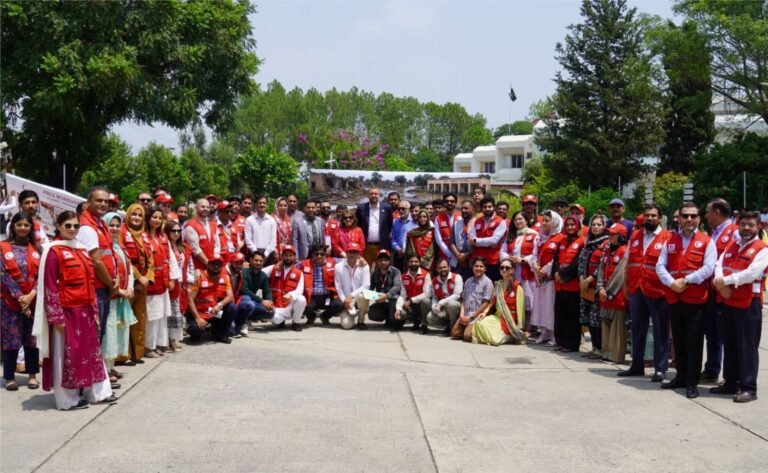
Dr. Omar Chughtai, Director Operations at Chughtai Lab, described the inauguration as another milestone in the organisation’s commitment to providing high-quality diagnostic services.
He acknowledged Roche Diagnostics’ longstanding partnership and highlighted joint investments in innovation to improve accuracy, efficiency and patient care across Pakistan.
Rizwan Feroz, Director at S. Ejaz Uddin & Co., also emphasised the contribution of Total Laboratory Automation in strengthening laboratory efficiency and quality. He noted that the company’s Sysmex hematology expertise supported the successful implementation.
Advancing the Future of Diagnostics in Pakistan
The latest development under the Roche Chughtai Lab Partnership highlights how healthcare technology can deliver value beyond individual test results.
For patients, much of the underlying infrastructure may remain invisible. However, its potential impact lies in creating a more connected journey from sample collection to diagnostic results and clinical decisions.
Building on more than 20 years of collaboration, Roche Diagnostics Pakistan and Chughtai Lab are working towards a diagnostic model that connects technology, laboratory expertise and clinical insights around patient needs.
As Pakistan’s healthcare requirements continue to evolve, investments in laboratory automation and connected diagnostics could play an important role in supporting more efficient diagnostic services and informed patient care.